
Reduce Fire Risk and Pass Inspections
Kitchen Hood Cleaning in Jacksonville for restaurants facing grease buildup and compliance deadlines
Mister Pressure Wash, LLC provides kitchen hood cleaning in Jacksonville for restaurant owners, food service managers, and commercial kitchen operators who need their exhaust systems cleaned to inspection-ready standards. You work in an environment where grease accumulates inside hoods, filters, ductwork, and exhaust fans every single day, and when that buildup is not removed regularly, it becomes a fire hazard, a health code violation, and a source of odor and smoke problems that affect both staff and customers. This service includes full hood system cleaning, degreasing of all accessible surfaces, filter cleaning or replacement recommendations, and documentation that supports NFPA compliance and local health department reviews.
The work addresses grease deposits that form during high-heat cooking, especially in kitchens that fry, grill, or sear protein throughout service hours. Jacksonville's food service industry operates year-round with little downtime, so grease layers accumulate quickly and harden when left untreated. The cleaning process uses hot water, industrial degreasers, and manual scraping to remove buildup from interior hood surfaces, baffle filters, fan blades, and accessible duct sections without damaging metal finishes or electrical components.
If your next inspection is approaching or you have noticed grease dripping from filters during service, reach out to schedule a cleaning and receive a completion report with before and after photos.
Inspection-Ready Results and Fire Safety Standards
You receive a scheduled cleaning that works around your kitchen's operating hours, often completed overnight or during closed days to avoid disrupting service. Mister Pressure Wash, LLC assesses hood size, motor count, filter type, and grease accumulation level during the walkthrough, and final pricing reflects system complexity and service frequency. Each job follows professional cleaning standards aligned with NFPA guidelines, ensuring that grease is removed to a level that reduces ignition risk and satisfies inspector expectations.
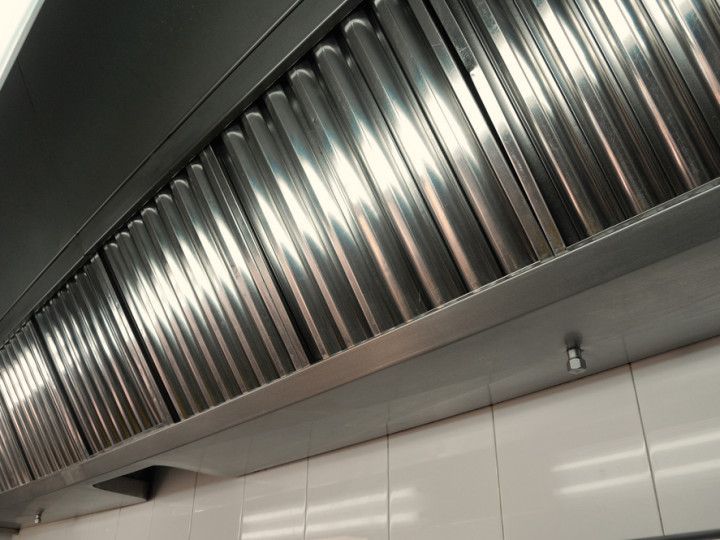
After the service is completed, you will see shiny stainless steel hood interiors free of sticky residue, filters that allow airflow without restriction, fan blades that spin without grease drag, and ductwork openings that no longer drip during cooking. You also receive a service completion report with before and after photos that document the work, providing proof of maintenance for health inspections, fire marshal reviews, or insurance audits.
The service does not include duct cleaning beyond accessible plenum areas, electrical repairs to exhaust fans or controls, or replacement of damaged filters, gaskets, or hood panels. If grease buildup extends deep into ductwork or structural issues such as rust or loose joints are observed, you will be informed so you can schedule specialized duct cleaning or mechanical repairs separately.
What Kitchen Operators Need to Know
Commercial kitchens vary in cooking volume, menu type, and exhaust system design, so service intervals and cleaning intensity depend on how much grease your operation generates and how often you have been cleaning in the past.
- What parts of the hood system are cleaned during service? The cleaning includes the interior and exterior hood surfaces, baffle or mesh filters, exhaust fan blades and housing, grease traps or cups, and accessible plenum areas where grease collects before entering ductwork.
- How often should a commercial kitchen schedule hood cleaning? High-volume kitchens that fry or grill continuously should schedule cleaning monthly, while lower-volume operations such as cafes or bakeries may only need quarterly service, though local fire codes and insurance policies often set minimum frequency requirements.
- When does grease buildup become a fire hazard in the exhaust system? Grease becomes hazardous when it forms a visible layer thicker than a credit card on interior surfaces, restricts airflow through filters, or drips onto cooking surfaces, all of which increase ignition risk if flames or sparks reach the exhaust path.
- Why do inspectors require documentation after hood cleaning? Health inspectors and fire marshals need proof that cleaning occurred within the required interval, and before and after photos provide timestamped evidence that supports compliance records without relying on verbal claims or memory.
- What happens if pricing changes after the initial estimate? Pricing is based on hood size, motor count, filter condition, and grease accumulation, so if the system is more complex or dirtier than observed during the walkthrough, Mister Pressure Wash, LLC will communicate revised pricing before starting work to avoid billing surprises.
If your kitchen has not been cleaned in months or you need flexible scheduling to support an upcoming health inspection in Jacksonville, contact Mister Pressure Wash, LLC to arrange a site visit and confirm service timing that fits your operating schedule.